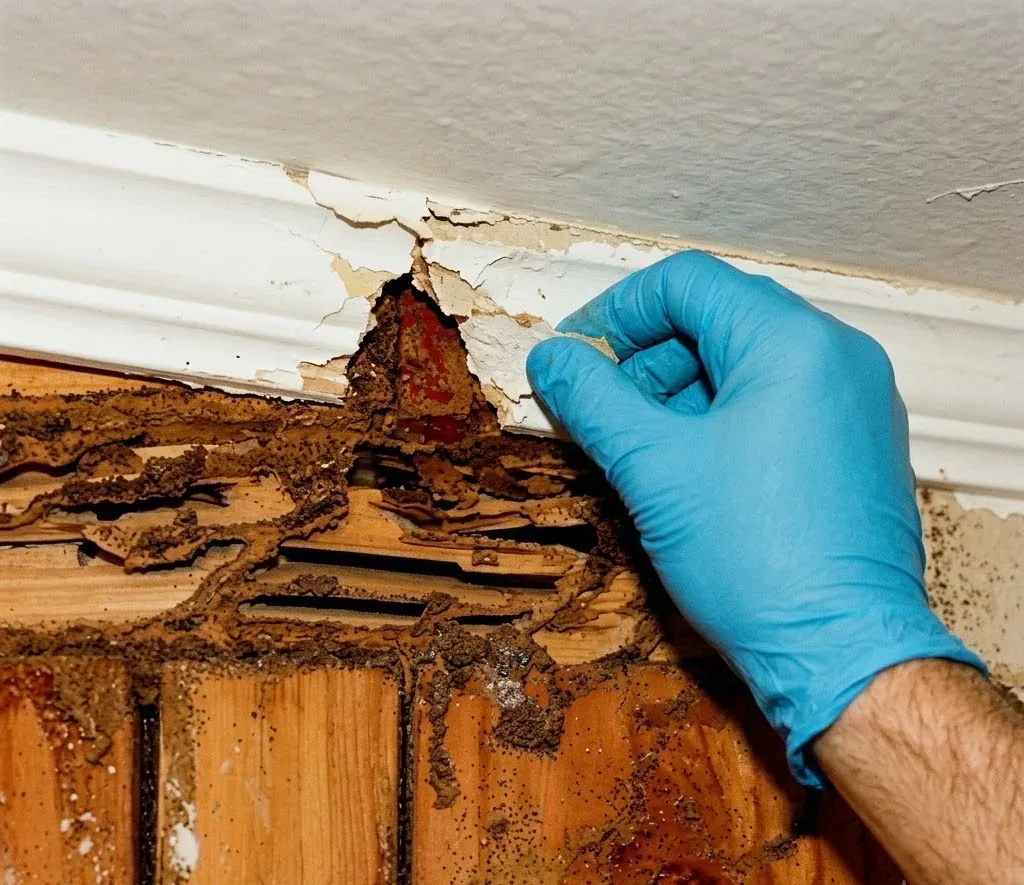
Termite Mud Tubes
A foundation tube can suggest subterranean termite travel, but it cannot confirm current activity. Learn why to leave it intact, what to record, and how inspection helps.
Read article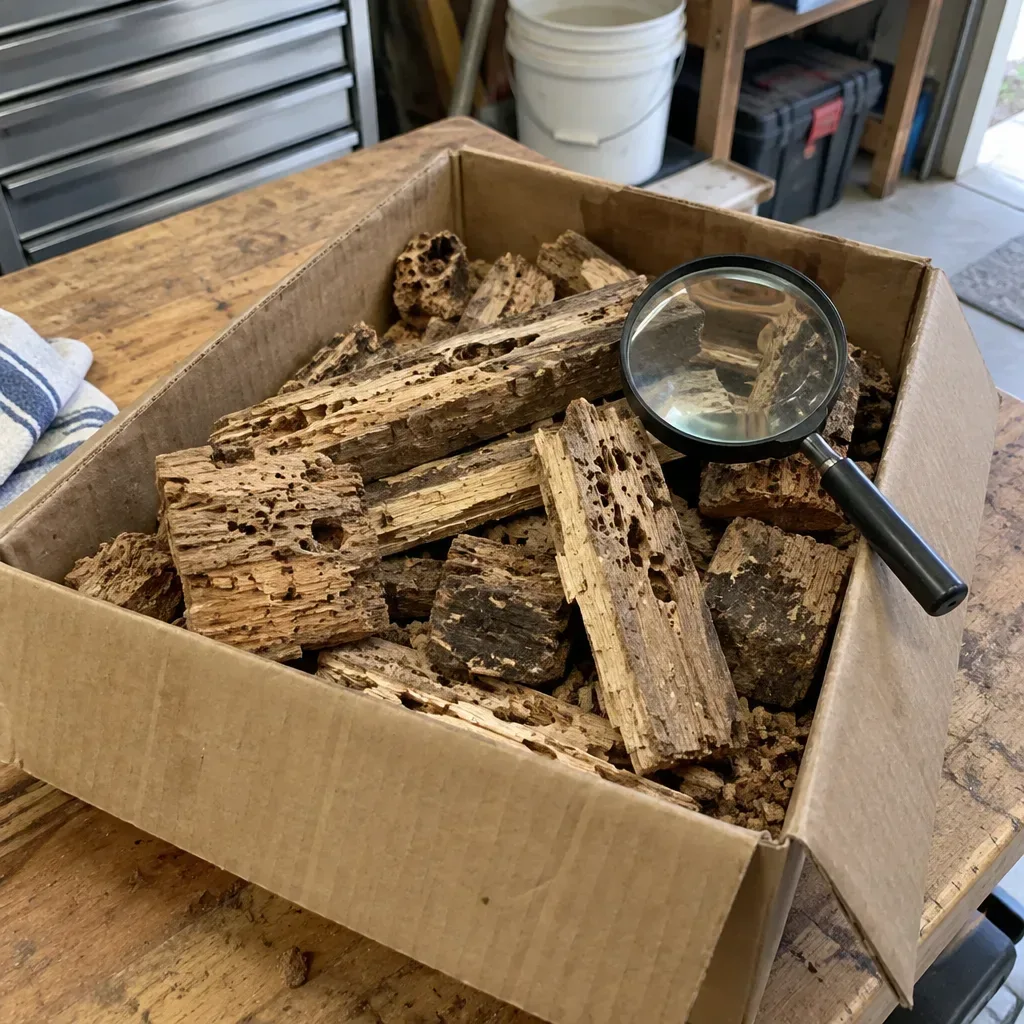
Liquid soil treatment places a treated zone along accessible foundation edges.
A monsoon-season swarm can raise questions for homeowners in Avondale without proving a home is infested. Discarded wings are another detail homeowners can mention when describing a swarm during an inspection. That makes the soil beside a foundation part of the treatment discussion. From South Avondale near Friendship Park to North Avondale near Festival Fields, a liquid termite treatment starts with the property’s own layout. The Agua Fria River is another familiar local landmark, but no neighborhood name or nearby feature establishes termite activity. The inspection findings guide what comes next.
For a home in South Avondale or a small business in North Avondale, access shapes the proposed work. The pros we connect you with can review the inspection, map reachable soil, and identify paved areas or foundation sections that need another approach. The amount of perimeter involved, preparation, and any additional application steps can affect time and cost. Ask for the product and proposed coverage in writing. A plan that skips an access limit leaves you unable to tell what was treated or why.
Clear access to the fixture can help the licensed pros we connect you with inspect its connections and identify what needs attention.
Choose residential termite control when you need termite guidance for your residence; commercial termite control gives landlords and business operators a route for the buildings they manage.
Subterranean termites depend on routes between soil and wood. A liquid termite treatment places product in suitable soil along routes identified during inspection. Termites crossing that area may contact the product. The treated sections need to fit the structure’s layout; untreated gaps can leave other routes outside the work. The pros we connect you with should show which foundation edges are included and explain how the proposed coverage relates to observed conditions at your Avondale property.
A concrete walk, patio, or attached step can separate the foundation from reachable soil. That changes how a liquid soil treatment can be applied at that point. The pros we connect you with should mark each barrier and explain whether the proposed work can reach the relevant area by another suitable method. In Avondale, ask for those limits to appear in the written scope, so you can distinguish completed sections from places that could not be reached.
The right application depends on what the inspection found and how the foundation is built. Soil access, suspected termite type, and visible damage can all change the plan. A liquid termite treatment addresses soil routes; it does not show what lies behind finished walls or repair damaged wood. Ask the pros we connect you with to explain why they recommend this method for your Avondale property and what findings would call for another step.
The inspector reviews signs, accessible wood, and foundation edges, then records findings that may affect a soil application plan.
The provider maps proposed coverage and marks paving, attached features, or other access limits that can change the scope.
The applicator treats only the listed soil areas, following the product directions and the agreed written scope.
You receive a record of included and excluded sections, plus the follow-up terms stated in the agreement.
Avondale homes and small commercial properties differ in foundation access and hardscape. One property may have exposed soil beside a wall; another may have a patio or walk across that route. Those details matter because liquid termite treatment must reach the soil areas named in its scope. A plan that accounts for the actual layout gives you a clearer record of treated sections and access limits.
Arizona requires electronic termite action reporting for specified treatments. The report gives a record of reportable work, while the written service scope explains the work proposed for your Avondale property. Ask how the two records relate and keep copies with your home documents. State reporting rules do not establish that a particular treatment fits a particular structure; the inspection findings and application plan still need to match the property.
A Wood-Destroying Insect Inspection Report describes evidence seen in the inspected areas and notes limits to the inspection. It can help you understand what was observed before treatment is considered. It cannot confirm that every hidden area is clear. If you are reviewing a report for an Avondale home, ask which areas were accessible and whether the findings support the proposed liquid termite treatment.
In Avondale, Subterranean Termite Treatment estimates may change when hidden damage or access limits surface; ask whether inspection has a fee and get covered work in writing.
| Inspection Steps | Property Areas | Estimate Inputs |
|---|---|---|
| Entry Survey | For Avondale homes near Arizona Canal: inspection and treatment areas listed in writing | an estimated $600–$1,800 |
| Focused Application | Inspection of reachable spaces; treatment follows the listed property boundaries | an estimated $690–$2,340 |
| Station Oversight | Evaluation details and treatment locations set out in the service quote | an estimated $600–$1,800 |
| Wood Renewal | Inspection of the reported concern; treatment covers only listed locations | an estimated $1,440–$7,200 |
The first plan may cover core treatment alone. Added monitoring or later checks can widen the work. Upgrades to components designed to last longer may change the total as well. Use the pricing guide to see how these choices shape a complete estimate.
Moisture near a foundation can make surrounding soil conditions relevant to a termite assessment. A liquid termite treatment places termiticide in suitable soil areas identified during inspection. Termites that cross the treated soil may contact the product. The plan needs to account for gaps, paved sections, and other barriers around the foundation. Ask the pros we connect you with to show how the proposed coverage fits your Avondale property.
No. A liquid termite treatment is not an inspection result. The inspection can identify signs, visible damage, and conditions that inform whether soil application suits the property. It also helps distinguish a suspected issue from a confirmed finding. Ask what the inspector observed and which findings support the proposed work before agreeing to a treatment scope.
Concrete can block direct access to soil beside part of a foundation. The provider should identify those sections and explain whether another application route is appropriate under the product directions. The method may change the scope, time, and cost. Ask for a written map or description that shows which areas are reachable and which remain outside the proposed work.
The cost depends on the sections included, access around the foundation, and any added steps needed where paving or attached features intervene. Property layout can also affect how long the work takes. Ask for an itemized written scope that identifies the product, included areas, and excluded areas. That lets you compare proposals by the work described rather than by a headline figure.
No. Soil treatment does not restore wood that termites have weakened. The inspection may identify visible damage, but concealed areas can need separate evaluation. Ask whether repair work is included in the agreement or must be arranged separately. Keep the treatment record and any repair assessment together for future reference.
Follow-up depends on the written agreement and the treatment performed. Ask whether later visits are included, what conditions apply, and how to report new evidence. The record should identify treated sections and any areas left out. Review those terms before work begins so you know what future service the agreement describes.
The $600–$1,800 for this work estimate for subterranean termite treatment may shift if findings call for broader access or added work. Request an itemized scope before authorizing treatment.
Note where you saw possible activity, then leave it undisturbed for the inspection.
A foundation tube can suggest subterranean termite travel, but it cannot confirm current activity. Learn why to leave it intact, what to record, and how inspection helps.
Read article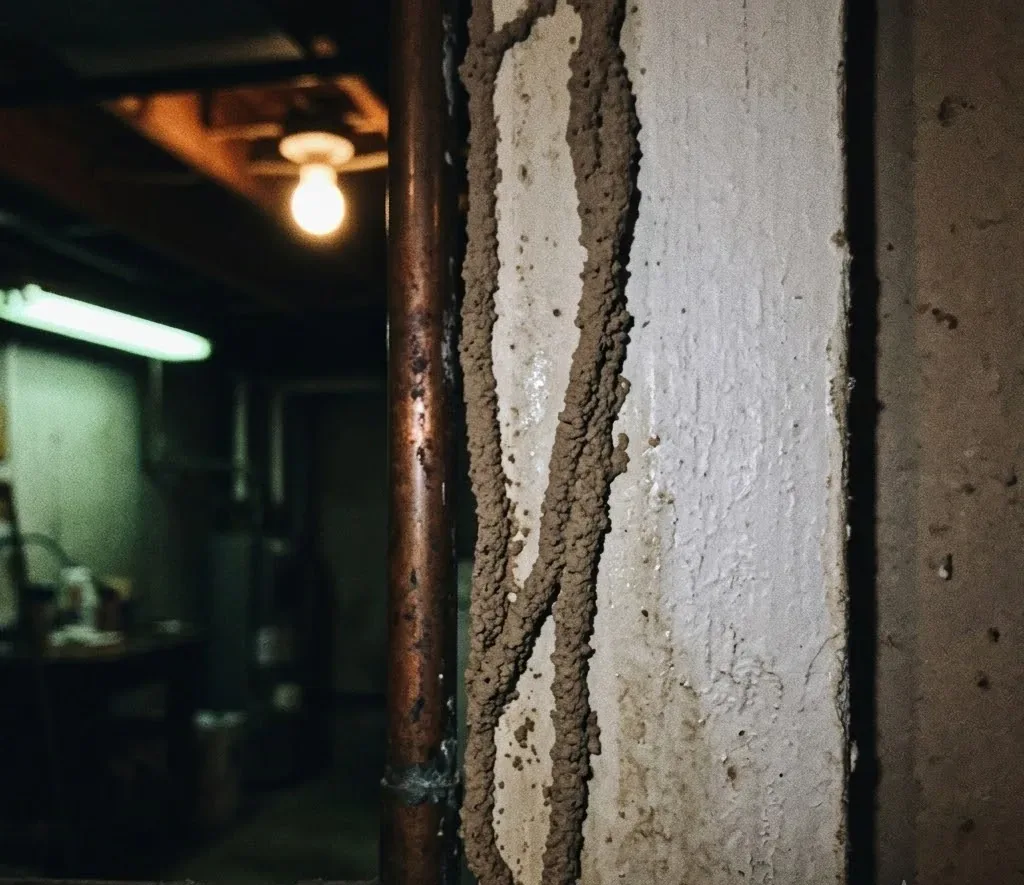
Learn how weakened wood, wall finish changes, and floor or trim movement can signal termite damage in Avondale, and what to record before an inspection.
Read article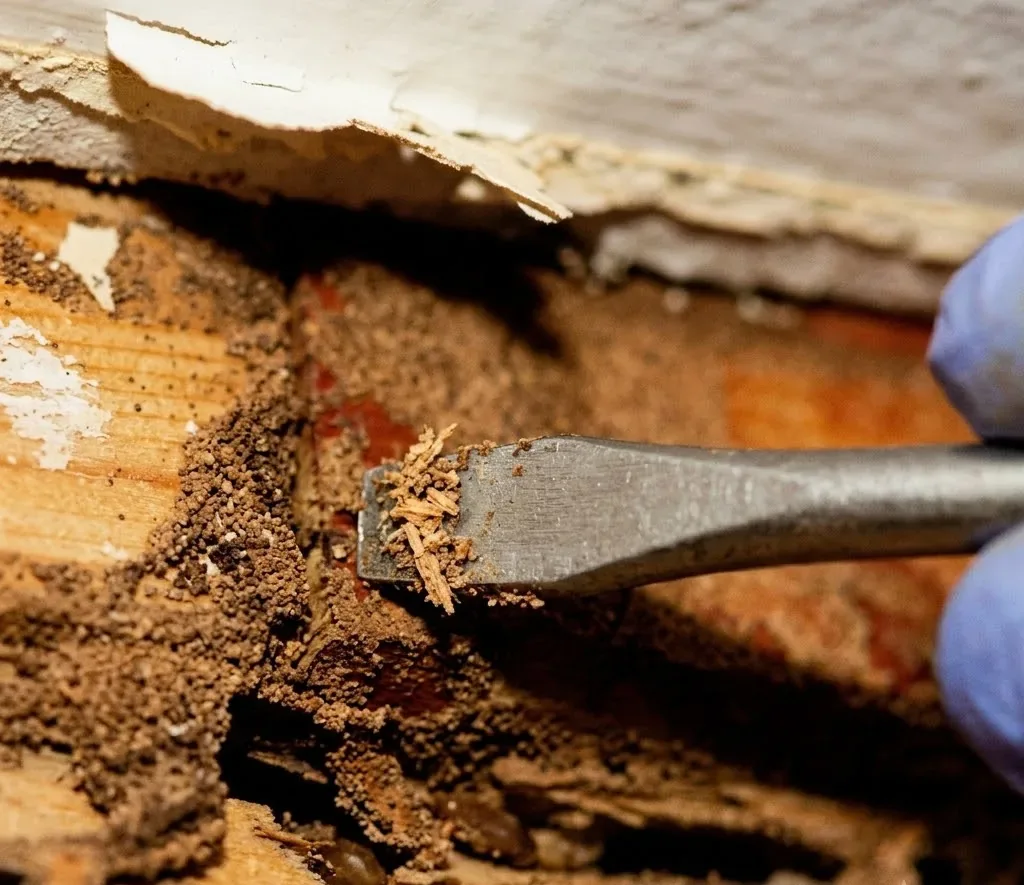
Learn how pellet shape, pile location, and a labeled sample can help identify suspected termite droppings in Avondale, Arizona.
Read articleTermite activity can remain hidden inside walls even when a room looks undamaged. If you are arranging termite service in Avondale, describe the structure and the areas you want examined. Ask the pros we connect you with how an inspection report records visible evidence and limits. Arizona requires pest control businesses and applicators to be licensed, so you can check business and applicator registration. Clarify what the report can establish, what needs further evaluation, and how any proposed work will be recorded before scheduling treatment.
Call (623) 281-0768