What a Termite Inspection Can Show
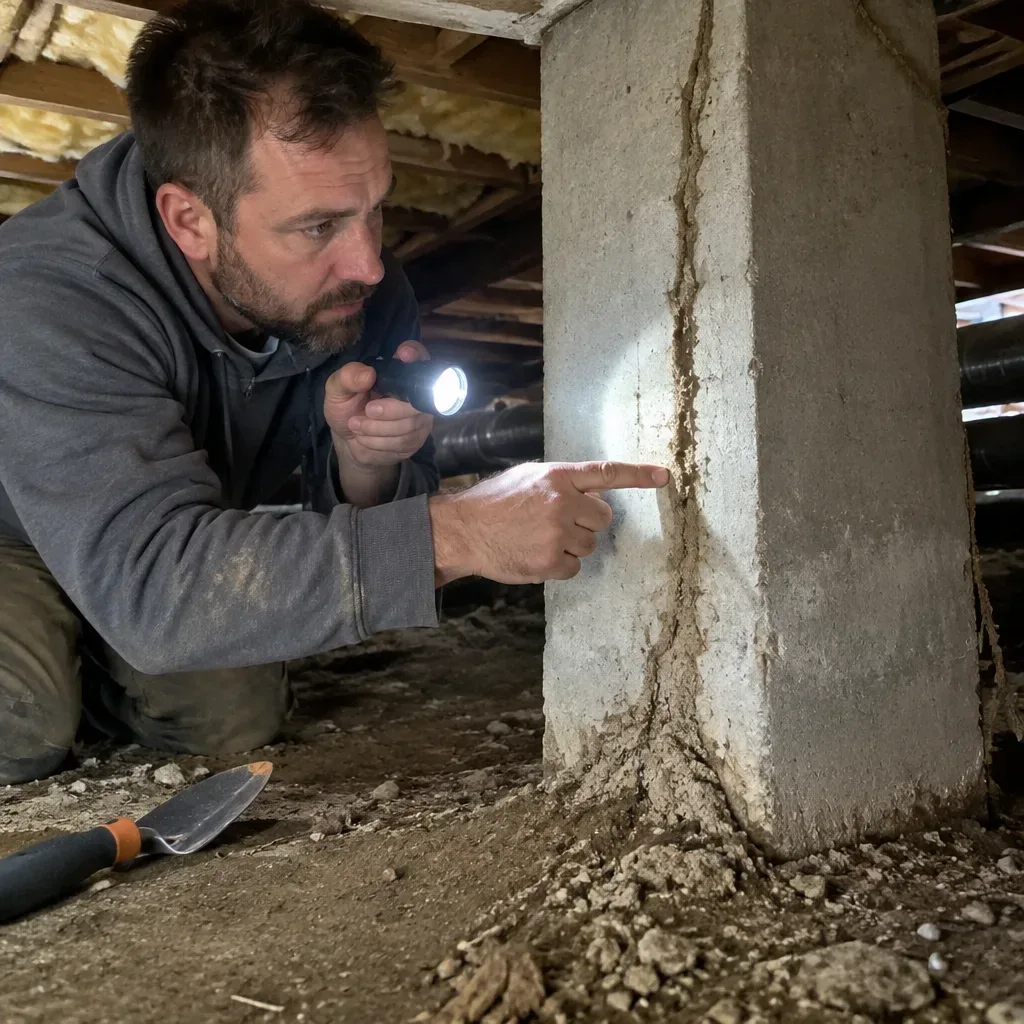
Noting which section of the foundation is involved can further describe a crawl-space concern. For a crawl-space concern, those landmarks help locate your home. The useful detail is how its foundation meets soil and whether that route can be seen from below.
Friendship Park and Festival Fields are familiar Avondale landmarks, but they say nothing about a home’s termite status. Homes near the Agua Fria River still need an individual assessment; citywide conditions cannot confirm activity beneath a floor.
In Avondale, you may be looking for help understanding a termite concern; elsewhere in Maricopa, the question may be about a different property. Service reach depends on the address, so ask the pros we connect you with to check yours before making plans.
What Reports Can Document
- ENTRY POINT
- Subterranean termites can travel from soil to crawl-space wood through concealed contact points.
- FRAMING
- A crawl-space assessment may leave framing unchecked when access is blocked or clearance is too tight.
- WET WOOD
- Tracks, wings, and altered wood each offer different clues; none alone maps the full extent.
- SERVICE PLAN
- The written treatment scope can clarify what areas and later monitoring are included.
- REPAIRS
- A sound-looking surface may hide feeding within wood that cannot be seen from the crawl space.
- Access Route
- Arizona termite swarmers can appear during the summer monsoon, while signs beneath a house may remain hidden. A flight outside does not locate activity in a crawl space. Note when and where you spot evidence, then have the space assessed.
- Building layout
- an estimated $600–$1,800
Clues That Separate Termites From Other Pests
Wood rot can soften or discolor crawl-space framing, much like damage that raises termite concern. A dampness history may help explain rot, while tubes or concealed galleries point to different evidence. An inspection can sort out the cause. Moisture-damaged wood tends to show changes where dampness has persisted. Termite evidence may include concealed galleries or shelter tracks. Since the surface can look similar in either case, location and inspection findings help distinguish the cause.
Records, Monitoring, and Care After Treatment
Moisture beneath the home can keep attracting termites, so the plan may address damp conditions as well as the colony. They document what appears active, visible damage, and areas access did not allow them to assess. Those findings shape a plan for the specific structure.
After explaining the findings, the pro we connect you with sets out the treatment area and preparation in writing. Work follows the product label. If framing needs attention, the report can help guide a separate repair assessment. Any monitoring schedule and access needs should be clear before work starts.
When signs remain uncertain, start with an inspection and its written findings. One visit may answer whether treatment is called for. Ongoing cover fits when the findings or chosen treatment require later checks. Ask what those checks track and what would allow them to stop.
WHAT A PROPERTY EXAMINATION SHOWS BESIDE REPEATED CHECKS
| Wood Condition |
Moisture and Access |
|---|
| Limited sign flagged for prompt review | Soil contact check |
| Activity resumes following earlier termite work | Service records |
| Clues show up across the property | Service concluded; monitoring choices outlined |
Simple Checks Around Your Home
From the access opening, take photos of visible tubes, wings, or altered wood, and write down where you saw each. Don’t disturb the evidence or apply store-bought chemicals. Stay out if the space is cramped, unstable, or poorly ventilated. Leave treatment and structural decisions to a qualified professional.
What A Visual Inspection Cannot Confirm
Termites are not known for making a household sick, but hidden feeding can weaken crawl-space framing. A sagging floor or visibly compromised support calls for caution. Don’t enter an unstable or poorly ventilated space, and keep away from treated areas until the provider explains when access is safe. Ask about product label precautions before work begins.
What Should Your Termite Budget Include?
Review the proposed treatment and its cost together. Have the pros we connect you with show how the inspection findings shaped the written estimate.The guide range gives a starting point for routine treatment. It may leave out access challenges, monitoring, reports, or wood repairs unless quoted. For a home in Avondale, share the address and a landmark such as Staggs Park or Rose Park. Ask the pros we connect you with about any visit charge. Confirm the full work scope with them in writing.See how inspection scope affects cost in pricing guide; Subterranean Termite Treatment explains the steps from findings through treatment and monitoring.