What a Termite Inspection Can Show
Irrigation near wood can leave conditions worth noting during an inspection. Swarms can occur during monsoon weather, but the season alone says nothing about a particular shed. Check the building itself and its ground-level edges for signs or conditions worth assessing.
The Agua Fria River and Gila River corridors are familiar Avondale landmarks, but location does not establish termite activity. Near Festival Fields or elsewhere, the useful evidence is at the outbuilding: its accessible wood, ground contact, and any signs found there.
A question from Avondale may concern a house or a small business, while another from Maricopa may involve a different kind of property. Share the address with the pros we connect you with so they can confirm service availability before discussing next steps.
Clues Inside Wood
- BUILDING
- An inspection can describe what was visible in the detached structure and note areas that could not be reached.
- MATERIAL
- A structure's assessment should consider its own construction and inspection findings.
- METHOD
- Loose lumber and fixed framing serve different roles, so the report should identify which material showed evidence or damage.
- REPAIR
- The written scope can identify the structure, chosen method, and any inspection limits.
- RECORD
- Arizona reports describe visible evidence and inspection limits; they do not guarantee that wood-destroying insects are absent.
- Access Route
- The timing of a swarm does not show how far damage may extend inside the wood. Wings found then are a clue to document, not proof that a shed is infested. Have the building assessed on its own, including accessible wood and ground-level edges.
- Service coverage
- an estimated $75–$250
Foundation Lines Need Context Before Conclusions
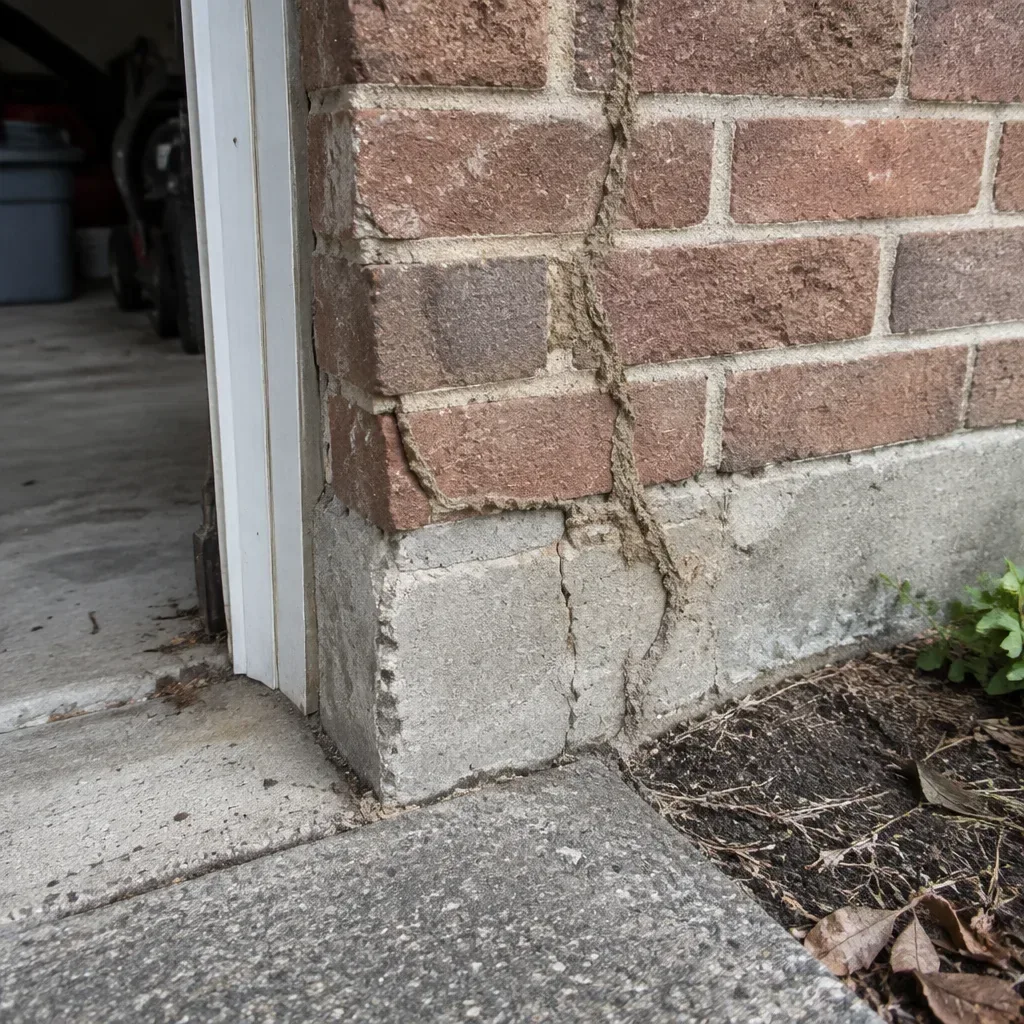
Wood rot can soften or break down boards, which may resemble termite damage. Rot points to deterioration associated with moisture; termite signs may include tubes or discarded wings. Have the affected area assessed before deciding what caused the change. Check the affected wood for a dirt tube or discarded wings nearby, then note whether the surface is soft or simply discolored. Those clues can help direct an inspection, but appearance alone cannot settle the cause or show damage behind the surface.
Records, Monitoring, and Care After Treatment
The provider first examines the shed or garage, accessible framing, foundation edges, and reported signs. The assessment separates structural wood from stored material and notes any visible damage or conditions that support activity. Findings guide the proposed method and define which areas the work can reach.
The inspection should include the building's perimeter and accessible wood. Bait stations require access for later checks. The written scope should identify the structure, method, monitoring needs, and any areas the inspection could not reach.
A single appointment can fit when the inspection identifies a bounded treatment task with a clear finish. Continued service makes sense only if findings give a reason to return, such as checking activity or conditions. Ask what each later visit would verify before accepting a plan.
WHAT A PROPERTY EXAMINATION SHOWS BESIDE REPEATED CHECKS
| Wood Condition |
Moisture and Access |
|---|
| Limited sign flagged for prompt review | Soil contact check |
| Activity resumes following earlier termite work | Service records |
| Clues show up across the property | Service concluded; monitoring choices outlined |
Know the Limits of Home Treatments
From a safe position, look over accessible walls, foundation edges, and stored lumber. Write down where you saw a tube, wings, or changed wood, and take a photo without touching it. Do not spray, scrape, or open suspected areas before the inspection. Ask the provider what to leave accessible.
Why Suspected Evidence Should Stay Undisturbed
The main concern is damage to wood. Treatment products also require care during application. Ask the provider which product is planned and follow its label directions, including any instructions about people, pets, and reentry. Keep clear of treated areas until the stated conditions are met. A suspected sign alone does not identify a household health hazard.
What Should Your Termite Budget Include?
Review the proposed treatment and its cost together. Have the pros we connect you with show how the inspection findings shaped the written estimate.The guide range gives a starting point for routine treatment. It may leave out access challenges, monitoring, reports, or wood repairs unless quoted. For a home in Avondale, share the address and a landmark such as Staggs Park or Rose Park. Ask the pros we connect you with about any visit charge. Confirm the full work scope with them in writing.Use pricing guide to review cost bands and scope variables; Termite Inspection describes inspection findings, treatment choices, and follow-up monitoring.