Apartments & HOAs
Shared Properties
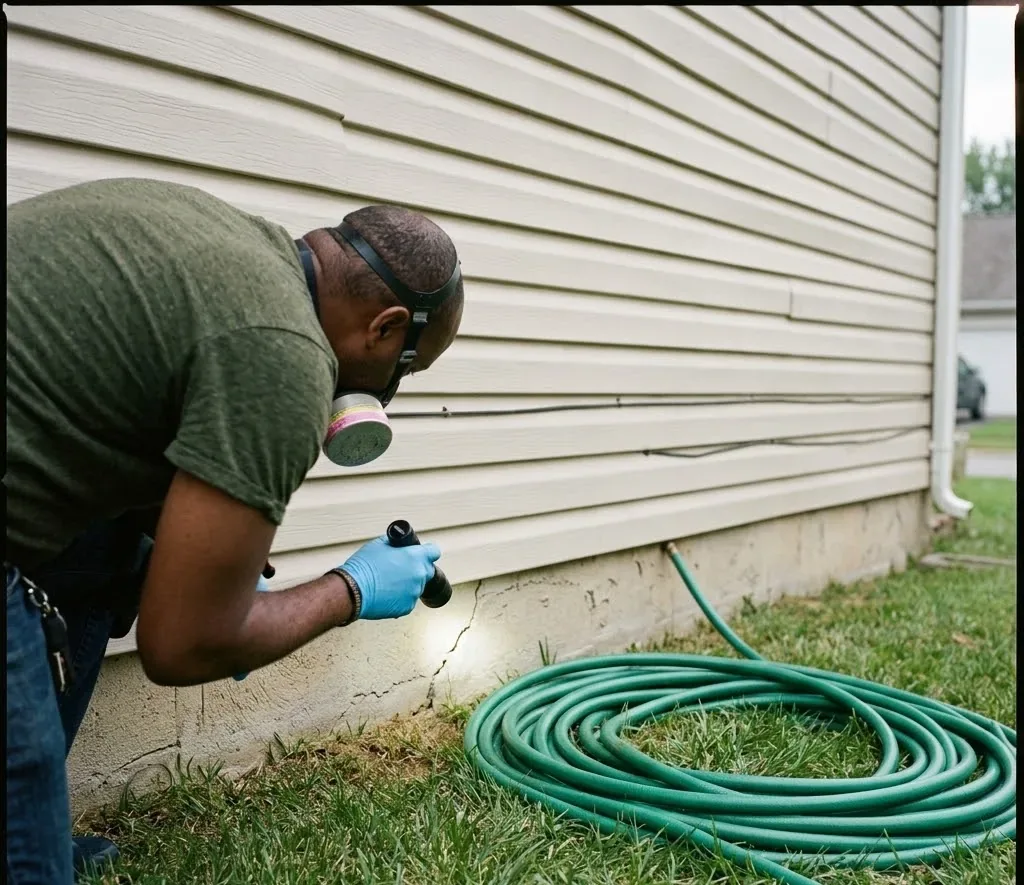
Coordinate room access, staff updates, and follow-up records for hotel termite control in Avondale.
Hotel operators can group room access by availability, assign one staff contact, and schedule work around guest turnover. Share access limits and operating constraints with the provider, then record room status and follow-up instructions for staff.
A concern at an Avondale hotel can affect room assignments before anyone knows what access a visit will need. Start by giving one operations contact responsibility for coordinating the response. That person can gather reports from housekeeping and maintenance, then identify the rooms and shared areas involved. This keeps separate staff from making conflicting arrangements. Hotel termite control depends on clear handoffs: workers know whom to contact, guests receive consistent information, and the provider can plan around the property’s daily demands.
Build an access map that follows how the hotel operates. Mark guest rooms, service corridors, food areas, meeting spaces, and restricted rooms separately. Add which team controls entry and whether an escort is needed. An Avondale property index might use South Avondale or North Avondale as a broad location label, then identify each building and interior zone. This gives the pros we connect you with a practical starting point without treating the whole property as one open work area.
Guest comfort is shaped by the details guests encounter: a room unavailable at arrival, a service cart rerouted, or a notice with unclear instructions. Decide who will speak with guests and what staff should say if plans change. Keep notices brief and consistent with the provider’s guidance. Hospitality termite treatment may involve different areas at different times, depending on the method and product directions. A named contact can relay updates while limiting unnecessary disruption to occupied parts of an Avondale hotel.
For guest room termite service, coordinate with reservations before setting access. Flag rooms with expected arrivals, housekeeping turns, or special access needs. Then agree on who can authorize entry and how staff will handle a room that remains occupied. Avoid promising a return time until the service plan and any product directions are clear. At an Avondale hotel, this coordination helps front desk staff make informed room assignments and keeps a single room issue from disrupting unrelated reservations.
Shared spaces need planning around their use, not just their location. A meeting room may be booked while a nearby corridor carries housekeeping traffic. Food service areas have their own preparation and cleanup windows. Ask department leads to identify blocked routes, busy periods, and practical alternatives before confirming access. At a property whose site guide references Friendship Park, the label can help distinguish the Avondale location in internal records; the access plan should still name the exact room or zone requiring attention.
| Hotel area | Entry window | Visit log |
|---|---|---|
| Area group | Guest rooms, lobby, service corridors | Map each space separately |
| Guest room access coordination | Occupancy and event blocks | Flag periods when entry is impractical |
| Staff lead | Front desk, housekeeping, maintenance | Assign one contact for updates |
| Work window | Check-in peaks and quiet hours | Set workable times with the hotel lead |
| Guest routes | Public paths beside work zones | Redirect foot traffic when needed |
| Treatment limits | Restricted spaces and reentry guidance | Confirm directions before reopening areas |
| Map reference | Civic Square, Friendship Park, Festival Fields | Use nearby landmarks to orient property notes |
| Monitoring access | Station locations and service dates | Keep stations reachable for follow-up |
Choose a service window after comparing hotel operations across departments. Front desk arrivals, housekeeping schedules, food service, maintenance work, and scheduled events can compete for the same space. Ask each lead to note when access is easiest and when interruption would cause problems. The goal is a workable window for the areas involved, not a blanket closure of the property. For an Avondale hotel, a shared schedule also helps staff explain room availability without guessing about service timing.
Set entry rules before the visit. Tell the coordinator which doors need keys, which rooms require an escort, and whom to call if the assigned contact is unavailable. Include after-hours procedures only if the hotel has agreed to them with the provider. Staff can then route the pros we connect you with through the right channels and avoid delays caused by locked or restricted areas. Keep the instructions with the service appointment so another shift can follow the same plan.
Treatment planning for occupied areas requires clear instructions about use and access. Ask the provider to explain which areas must be vacated, how staff will know when they can be used again, and whether nearby rooms or routes are affected. Follow the product label and the provider’s directions for the method selected. Do not assume every room needs the same arrangement. A concise instruction sheet lets Avondale hotel staff answer practical questions and pass accurate guidance between shifts.
Keep a service record that helps the next shift understand what happened. Note the appointment date, areas made available, access limits, work reported as completed, and any instructions given for occupancy or follow-up. Store it with the property’s operating records and make it easy for facilities and front desk leads to find. The record should identify the areas covered without implying that unvisited spaces were assessed. In Avondale, consistent documentation helps staff manage a property concern across changing shifts.
If your hotel group manages more than one Avondale property, keep a separate file for each address. Use a shared format for service dates, contact roles, access restrictions, and follow-up tasks, while preserving each site’s own room and zone labels. A portfolio index can use local references such as Festival Fields to help distinguish locations in internal records. It should not replace the property address or floor plan. This makes comparisons easier without blending one hotel’s service history into another’s.
Monitoring needs an owner after the visit. Assign a facilities contact to collect new staff reports and record where and when each concern was noticed. A dated photo can help show whether a mark has changed since the previous check. Share the location details with the provider for guidance. Keep access to any installed monitoring stations clear and follow instructions about their care. At an Avondale hotel, this routine gives facilities staff a consistent way to pass observations between shifts.
Before closing a service file, review the written agreement for what follow-up includes. Check which areas are covered, how monitoring is handled, how staff should report a new concern, and what conditions apply to any later service. Assign a person to track required access and dates stated in the agreement. The terms can differ by provider and plan, so keep the signed version with the Avondale property record. This gives managers a clear reference when responsibilities shift between teams.
Prepare a short access brief before contacting a termite professional. List the affected rooms or zones, who can arrange entry, occupied periods, escort rules, and work areas that cannot be interrupted. Add a floor plan or site index if staff use one, then mark which details still need confirmation. An Avondale hotel may also label its location by a nearby reference such as the Avondale Civic Center Library, but the address and room identifiers should guide service coordination.
Bring the brief to an independent professional and ask how the visit can fit the hotel’s operating limits. Confirm who will coordinate access, what staff should tell guests, and how any occupancy directions will reach each department. Ask how the written record will identify areas visited and note access restrictions. Keep the answers with the appointment details so staff can use them during shift changes. This gives an Avondale hotel a concrete next step while leaving technical recommendations to the provider.
A guest room becomes unavailable after staff spot a termite sign, and the front desk needs a workable plan. Hotel termite control starts with a room status list, service windows, and one staff contact who can update housekeeping and reception. In Avondale, clear directions matter too. Give visiting staff the hotel's entrance and a public reference such as Avondale Civic Center Library, Friendship Park, or Festival Fields. Hospitality termite treatment may affect access differently by area. Keep each change tied to the room or shared space, then record when it can return to normal use.
Before comparing termite options for a house or small commercial property, check which county communities can request an inspection or treatment through the pros we connect you with, includingLitchfield Park mailing area, Tolleson and Avondale. Get the visit terms up front: does reaching your address add a travel charge, and is the inspection fee separate from later work?
A shop’s termite estimate is built around each service visit. Building area and the planned visit schedule shape the scope; access, observed activity, and the selected approach can also change the work. Use $75–$250 as a starting guide, then ask how the written estimate matches your site.Commercial pricing shifts with building size, foundation layout, access, and included areas; these shape treatment materials and monitoring. For an Avondale site, tell the pros we connect you with which spaces need attention, how access works, and whether reports or follow-up belong in the scope. A landmark such as Aleppo Park can help identify the property.Compare every termite service band in pricing guide; commercial overview describes the schedule and structure of commercial programs.
Set service windows around check-in, checkout, housekeeping turns, and scheduled events. Give one staff contact authority to confirm which rooms are available and relay changes to the front desk. Share the hotel's entrance instructions and access limits before the visit. In Avondale, hotel termite control planning works better when room status stays current through the day, so staff can redirect access if arrivals or guest needs change.
Occupancy depends on the work planned for that area and the product label directions. Access may also depend on whether treatment is limited to one room or includes connected spaces. Keep the answer with the room schedule so reception and housekeeping follow the same instructions. Guest room termite service should fit the site's access plan while respecting any use limits provided for the treatment.
When staff flag suspected termite activity at an Avondale hotel, keep guests clear of the area and leave signs undisturbed for assessment. Give the pros we connect you with a floor plan marking guest rooms, kitchens, laundry areas, and shared spaces, plus access limits and quiet hours. Agree on work windows, guest routing, and any occupancy steps required by product labels. Keep service points reachable during housekeeping, then add monitoring visits to the property's operating calendar.
Choose a staff contact to track monitoring visits and confirm access before each one. Keep stations or other monitoring points on the hotel's internal map, and tell housekeeping not to move or cover them. If a point becomes blocked by furniture or a room change, record the change and notify the provider. This keeps later checks consistent without interrupting guest routines more than needed.
Prepare an area list, room access limits, and operating constraints, then review them with an independent termite professional serving Avondale.
Call (623) 281-0768