Hotels
Avondale Hotel Service
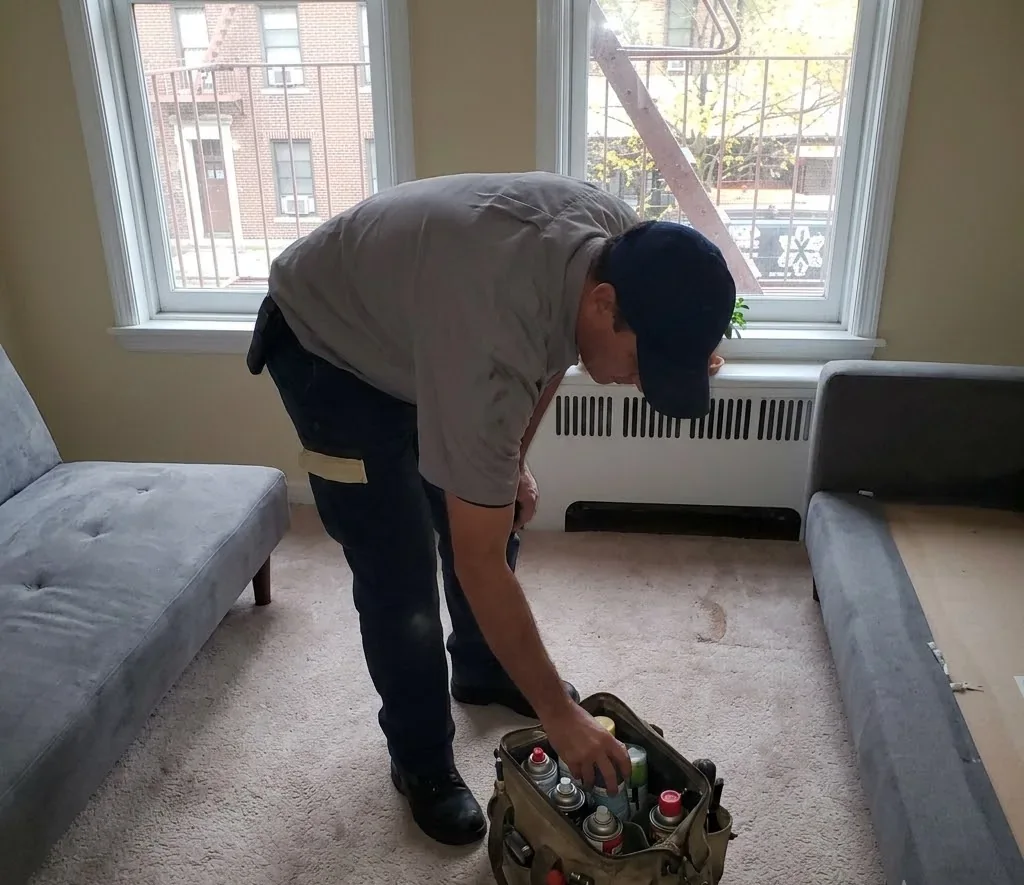
Coordinate apartment termite control and HOA termite service with building schedules, clear access roles, and records that track follow-up.
Property managers can coordinate termite control with a building list, shared scheduling, clear access notices, and records that assign each finding and follow-up task. Gather property files, then ask a qualified termite professional for a documented inspection and monitoring plan.
When a termite concern reaches a property manager, the first challenge is often coordination. Apartment termite control spans separate buildings, shared rooms, and people with different roles. In Avondale, start by tying each service request to a specific address, building, and responsible contact. Keep ownership decisions, management tasks, and occupant communication distinct. That structure helps the pros we connect you with understand how the property works before dates are proposed. It also gives your team a consistent place to track inspection access, scheduled work, and monitoring visits.
Build a location index that follows how people use the property. Separate apartments, laundry rooms, storage areas, and community buildings, even when they share one association. In Avondale, internal route notes might use nearby references such as Friendship Park or Festival Fields to help staff orient themselves. Do not use a landmark as a substitute for the actual service address. Give each location a clear label, entry instructions, and a contact who can confirm access.
A calendar works best when each appointment shows its purpose and its dependencies. In Avondale, note whether a visit concerns an inspection, treatment work, or a later monitoring appointment. Add the building, affected area, access contact, and any approval still pending. A date held before those details are settled can disrupt residents and waste a provider visit. Keep planned work visible alongside routine building operations, so managers can spot conflicts before notices go out.
Set the decision path before arranging dates. An HOA board or owner may need to approve a scope, while a manager coordinates entry and resident communication. In Avondale, record who can approve changes if findings affect more than one building. This avoids delays when the scheduled contact cannot answer a question. Keep responsibility for approvals separate from responsibility for unlocking rooms or sending notices. The pros we connect you with can then direct requests to the right person.
Give occupants a notice tied to the specific visit. Explain which building or shared area is involved, when access is expected, and how to raise a scheduling conflict. For Avondale properties, include a management contact who can relay updates if the appointment shifts. Keep the message practical and consistent across buildings, while changing the details for each location. Clear notices help residents plan around entry and help staff identify access problems before a provider arrives.
| Site | Entry plan | Next step |
|---|---|---|
| Site key | Assign each building a consistent internal identifier | Keep Avondale site names distinct from landmarks like Civic Square |
| Decision owner | Name who approves access, notices, and work windows | Route scope changes through that designated contact |
| Occupant notice | Set a shared process for unit and common-area notices | Give occupants clear instructions for access preparation |
| Entry plan | List keys, escorts, locked rooms, and entry limits | Confirm access arrangements before the provider arrives |
| Work order | Group buildings by access readiness and operating needs | Keep paths open around resident services and deliveries |
| Site constraints | Note events, repairs, quiet periods, and restricted rooms | Use local reference notes, such as Staggs Park, separately from site IDs |
| Return tasks | Assign a person to arrange provider follow-up | Keep each property's next action visible to management |
| Record format | Use matching fields for dates, access issues, and actions | Keep site notes consistent across apartments and shared buildings |
Choose work windows around the building’s daily rhythm. A multi-unit termite treatment may involve occupied apartments, common rooms, or maintenance areas, each with different access needs. In Avondale, check planned work against deliveries, resident events, and essential building services. Ask the provider what areas need to be available and how long coordination may take. Then set notices and staff coverage around that guidance. A workable appointment protects access while limiting interruptions to residents and operations.
Shared buildings need their own appointment plan. A community room may be booked, while a utility space may require a staff escort or a separate key. In Avondale, list the person who can open each area and the hours when entry is possible. Check those details before confirming the visit. If access depends on another vendor or building task, resolve that conflict early. The schedule should reflect how the site runs, rather than assuming every door is available.
Break larger work into stages when several buildings or units are involved. That gives management a way to sequence entry, send focused notices, and keep unaffected areas operating. In Avondale, show each stage as a separate calendar item with its own access contact and completion status. Ask the provider how treatment timing affects the next scheduled visit. This makes changes easier to communicate and helps staff avoid treating a planned appointment as proof that every area was reached.
After a visit, route each finding to the person who can act on that location. A concern in a shared maintenance room may belong with facilities staff, while a unit issue may need resident coordination. In Avondale, connect provider notes to the correct building and area in your internal system. Record who received the update and what scheduling step follows. This makes it easier to arrange access again without sending a broad notice to people who are not affected.
Keep missed access visible as an open task. A visit to one apartment or community building does not mean every planned space was reached. In Avondale, note the location, reason entry failed, contact attempts, and the next proposed appointment. Assign someone to confirm the new time with the occupant or staff member. This simple handoff helps prevent an inaccessible room from disappearing inside a completed service entry. It also gives managers a clear basis for rescheduling with the provider.
Monitoring appointments need the same access planning as initial work. If a service plan uses stations, staff should know where those stations sit and keep their path clear for the provider. In Avondale, coordinate grounds access, gate instructions, and any areas with restricted hours before setting the visit. Let maintenance staff know not to move equipment without provider guidance. These steps help the pros we connect you with reach planned locations and keep follow-up appointments from disrupting other site work.
Use one internal tracker to make upcoming work easy to review. For each Avondale building, show the planned date, areas addressed, access issues, responsible contact, and any pending action. Keep provider documents with the matching property record, so ownership and management can review the same history. A consistent format also helps identify appointments that need confirmation. It supports a documented inspection and monitoring plan without treating a scheduled visit as evidence that all conditions have been resolved.
Plans can change when access fails or provider findings call for another visit. In Avondale, record the reason for each schedule change and notify the people whose areas are affected. If work shifts around community activities near Avondale Civic Center Library, update the internal calendar and contact list before sending revised notices. Keep earlier entries for context, but mark which date is current. That gives board members and site staff a shared view of what still needs coordination.
Before requesting service, gather building addresses, existing service documents, access rules, operating hours, and ownership contacts. In Avondale, include any unit or shared area that may need separate entry. Ask a qualified termite professional how findings, treatment scheduling, and monitoring visits will be documented across the property. The pros we connect you with can use those details to discuss a practical plan. You can then compare the proposed schedule with resident needs and building operations before appointments are confirmed.
When a resident reports a concern, management needs to know which building needs attention and who can arrange entry. In Avondale, a shared calendar can align apartment access, condo rules, and community building hours without treating every site alike. Give each property a clear label, then connect visit dates, work status, and open tasks to that label. Owners can review progress while staff handle notices and entry. If a visit shifts, update the record and tell affected occupants. That keeps a delayed location visible and gives the next scheduling decision a reliable starting point.
Your address shapes who can handle a termite inspection request; ask about county reach for homes and small businesses, and whether treatment discussions are available there, includingAvondale, Goodyear and Litchfield Park mailing area. Ask how the provider handles travel beyond its regular range, and whether the first look at the property is billed separately.
A shop’s termite estimate is built around each service visit. Building area and the planned visit schedule shape the scope; access, observed activity, and the selected approach can also change the work. Use $75–$250 as a starting guide, then ask how the written estimate matches your site.Commercial pricing shifts with building size, foundation layout, access, and included areas; these shape treatment materials and monitoring. For an Avondale site, tell the pros we connect you with which spaces need attention, how access works, and whether reports or follow-up belong in the scope. A landmark such as Aleppo Park can help identify the property.Compare every termite service band in pricing guide; commercial overview describes the schedule and structure of commercial programs.
Start with a list of buildings, their access contacts, prior service records, and operating limits. Ask the pros we connect you with to set out a documented schedule for each location, including work and planned monitoring. Give one management contact responsibility for updates, then share relevant dates with owners, staff, and residents. In Avondale, this process helps keep apartment, condo, and shared facility arrangements in one view.
Set entry windows with building staff, then give residents clear notice of the affected areas and dates. Keep private unit entry separate from shared spaces, since access rules can differ. Group nearby appointments when operations allow, but leave room for a change or missed entry. A manager can use Festival Fields as a familiar local reference when orienting staff to a property area; the building’s own address should still guide access.
Track the date, building, work status, access outcome, and the person responsible for the next step. Keep those items together with the provider’s schedule and written service terms. For an Avondale portfolio, a manager can note whether a location is near the Agua Fria River as an orientation detail, without treating that location as evidence of termite activity.
Plan monitoring appointments from the provider’s written schedule and the access needs at each building. Assign someone to confirm entry, record completed visits, and flag missed or delayed appointments for rescheduling. Keep any service conditions with the property’s records so ownership can see what remains open. Do not move monitoring equipment; ask the provider how access should be maintained.
Gather building records, service terms, and access contacts, then ask the pros we connect you with for a documented Avondale plan.
Call (623) 281-0768